Technical Safety

Advancing Pipeline Safety and Reliability: Our Role in the NNPC Limited Infrastructure Renewal Project

At Tomsey, we remain at the forefront of technical safety consultancy and process safety management in Nigeria’s energy sector. In line with our commitment to operational risk reduction and pipeline integrity assurance, we are proud to have facilitated the Hazard Identification (HAZID) Study for the NNPC Limited Major Hydrocarbon Pipelines and Infrastructure Renewal Project — one of the most significant pipeline safety enhancement initiatives in the region.

Strengthening Nigeria’s Energy Backbone with Proven Technical Safety Risk Controls

The project covers the Engineering, Procurement, and Construction (EPC) of six (6) new pipeline systems across the Niger Delta region, with the key objective of improving process safety performance, asset integrity, and environmental protection. Through structured risk assessment and technical safety reviews, we supported the mitigation of:

  • Pipeline failure risks and loss of containment scenarios

  • Operational downtime due to system degradation

  • Environmental and community impact from third-party interference

Our role in the HAZID facilitation ensured that Safety in Design (SiD) principles were embedded early during project planning — a critical component of ISO 45001 and API RP 1173 compliant safety systems.

Technical safety

Powered by Innovative Construction Technology: CHDD

The project, awarded to Fenog Nigeria Limited, adopts Continuous Horizontal Directional Drilling (CHDD) — a trenchless installation method widely regarded as a low-impact pipeline construction technique. This approach delivers key technical safety benefits, including:

  • Reduced geotechnical disturbance and environmental footprint

  • Improved pipeline burial security against mechanical impact

  • Long-term corrosion control and system reliability

By combining advanced engineering practices with robust risk management frameworks, the project sets a new benchmark for safe pipeline infrastructure development in Nigeria.

Technical safety

Looking Ahead

Now at the DED / Construction stage, this project is positioned to significantly improve flow assurance, operational uptime, and regulatory compliance across Nigeria’s midstream infrastructure.

At Tomsey Engineering & Services, we remain committed to supporting stakeholders through:

✅ HAZID / HAZOP Studies
✅ Quantitative Risk Assessment (QRA)
✅ Fire & Explosion Risk Analysis (FERA)
✅ Emergency Response & Safety Case Development

Our mission is clear — to deliver safer, smarter, and more resilient energy systems for the future.

LBCS TOILET CONSTRUCTION WORKS

Project Update: Progress on the LBCS Toilet Construction Works

We are pleased to share the latest update on the LBCS Toilet Construction Project, which is progressing steadily on site. This project highlights our commitment to quality construction works and timely delivery, ensuring that every phase is completed with precision.

Completed Activities:

  • DPC (Damp Proof Course) concrete works completed

  • Reinforcement for the DPC completed

  • Setting out successfully executed

  • Block works for the main building currently ongoing

With these milestones achieved, the substructure phase has now been fully closed out. This marks a key stage in the overall building project, and we are excited to continue making progress.

At Tomsey, our goal is to deliver top-quality construction services that meet client expectations, comply with safety standards, and remain within project timelines. Each stage of this project demonstrates the expertise of our team and our dedication to excellence in the engineering and construction industry.

We look forward to sharing more updates as the project advances into the superstructure phase. Stay tuned for more progress reports.

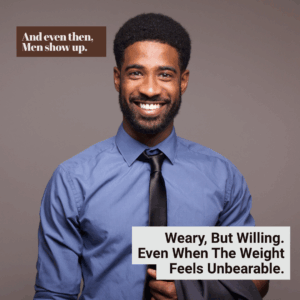
Man, Myth, Manager: Navigating Mental Health in the Modern World

Man, Myth, Manager: Navigating Mental Health in the Modern World

Picture this: it’s Thursday evening. I’m on a client call trying to sort out a price variation on our contract – caused, of course, by the latest jump in material costs. The client is definitely not happy, and it’s a tense meeting. My 3-year-old, overly energetic as always, bursts into the room to show me his latest cartwheel and is insistent I pay attention to his moves. My phone pings — it’s an urgent message from my team about a supplier delay caused by overly zealous customs officers at the Port in Apapa. Meanwhile, my wife is asking if I remembered to pick up the pineapples – her favourite fruit, on the way home. And I still have to prepare a prayer outline for church by the weekend. This is real life.

Being a man in today’s Nigeria means wearing multiple hats: husband, father, COO of a 30-person organization with clients across the country, church worker, and the dependable family member others (uncles, cousins, and everything in between) turn to when times are tough — financially and otherwise. And the times are tough. The economic uncertainty, the price surges, that keep blindsiding businesses and households alike — it all piles on the pressure.

Man, Myth, Manager: Navigating Mental Health in the Modern World

For years, I wore my stress like a badge of honour. After all, wasn’t that what being a man meant? Push through. Provide. Protect. But eventually, I realised that approach was like trying to carry the weight of Lagos traffic on your head — it will crush you.

Man, Myth, Manager: Navigating Mental Health in the Modern World

Now, I take a different approach. I prioritise small moments of connection — the 15 minutes before bedtime when I pray with my boys and talk about their day, or the quick call with my wife during the day where we vent about how our day at work is going. Those moments are my reset buttons.

I also set boundaries (well, I try to!). When that late-night work request comes in, I remind myself: if I’m always available, I’ll soon be unavailable in the ways that matter — emotionally, mentally, even physically.

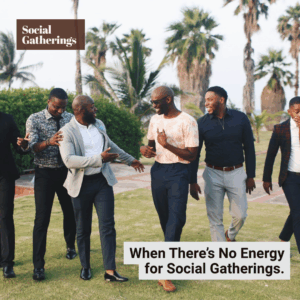
And let’s not underestimate the magic of community. Games night with friends, or banter after church meetings, goes a long way. It’s not always about finding solutions — sometimes, just knowing you’re not alone in this daily hustle makes a world of difference.

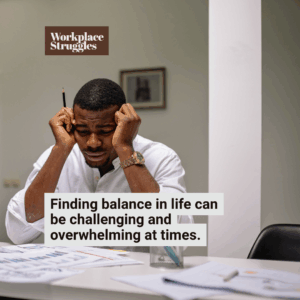
Finally, I’ve stopped chasing the perfect “balance.” Life comes in waves. Some days, business demands more — especially in an unpredictable economy. Other days, the family needs me to be fully present. What matters is being intentional in whatever role I’m in at that moment.

Man, Myth, Manager: Navigating Mental Health in the Modern World

So, this Mental Health Month, let’s drop the myth that we have to have it all together. Let’s laugh, let’s connect, let’s admit when we’re overwhelmed. Because no matter how chaotic the world gets, the best thing we can do — for ourselves and those who rely on us — is to protect our peace.
Ife Olatunji
Chief Operating Officer
Tomsey Engineering and Services Int’l Ltd

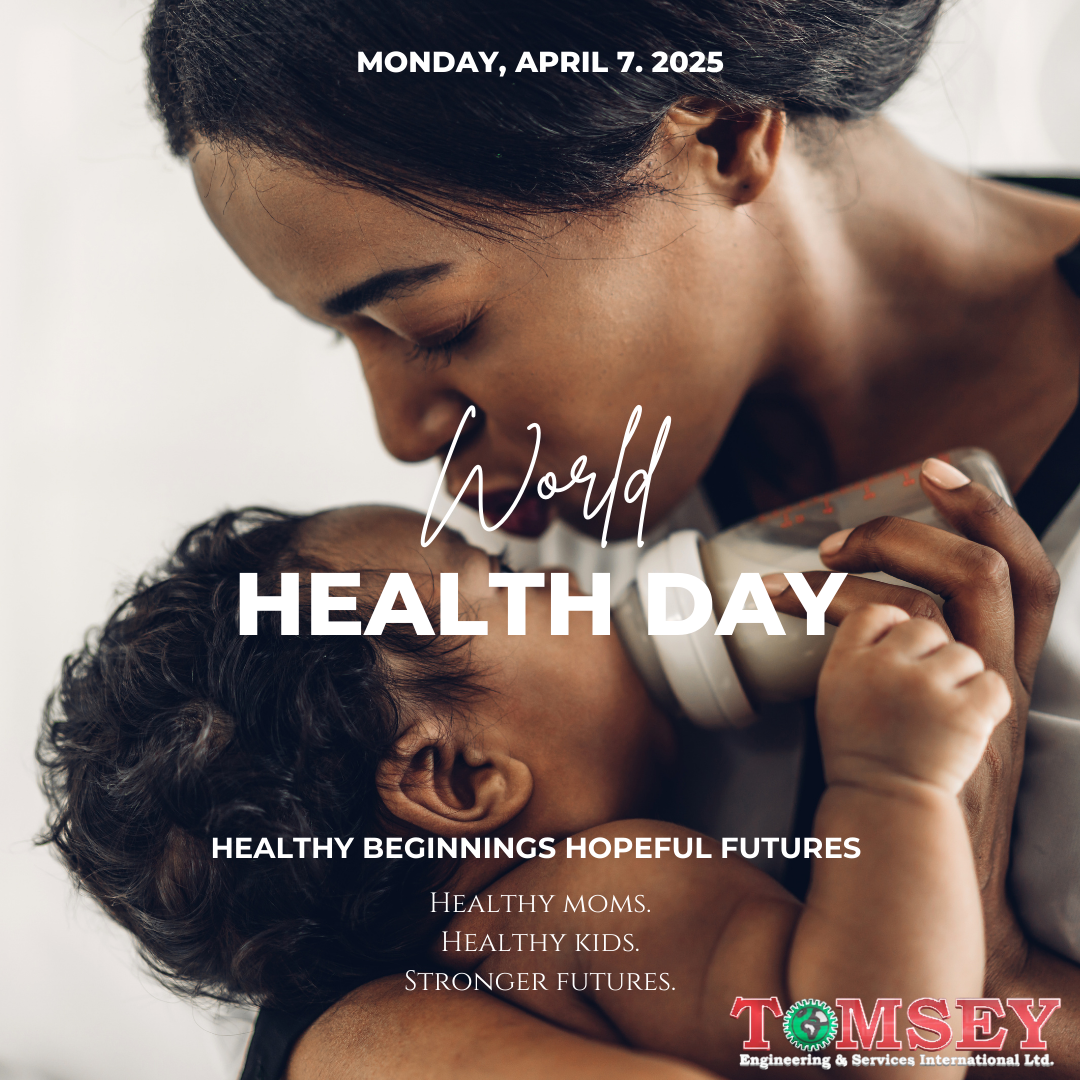
WORLD HEALTH DAY 2025: HEALTHY BEGINNINGS, HOPEFUL FUTURES

WORLD HEALTH DAY 2025: TIME TO FIX MATERNAL AND NEWBORN HEALTH IN NIGERIA

Every year, April 7 marks World Health Day, shining a light on key health issues. This time, WHO’s campaign ‘Healthy Beginnings, Hopeful Futures’ is all about saving mothers and babies.

The goal is to end preventable deaths and ensure women stay healthy beyond childbirth.

Nigeria’s Reality: A Tough Battle

Nigeria has one of the highest maternal and newborn death rates worldwide. About 512 women die per 100,000 births, and 35 newborns die per 1,000 births. Many women can’t access quality care, leading to needless deaths.

Why Are Mothers and Babies Dying?

  • Poor Healthcare Access: Rural areas lack hospitals, skilled birth attendants, and basic medical supplies.
  • High Cost of Care: Many women can’t afford antenatal and postnatal care.
  • Cultural Beliefs: Some still prefer traditional birth attendants, increasing risks.
  • Malnutrition & Lack of Awareness: Poor diet and little knowledge about pregnancy care worsen outcomes.
  • Weak Government Support: Policies exist, but poor funding and execution slow progress.

How This Campaign Can Help Nigeria

  • Better healthcare facilities and skilled personnel.
  • Affordable maternity care for all women.
  • Stronger government action and funding.
  • Public awareness on safe childbirth and post-natal care.

What’s Next? Time for Action!

Nigeria must act fast. Government, NGOs, and communities must come together to prioritize maternal and newborn health. More hospitals, trained birth attendants, and better education will save lives.

World Health Day 2025 is a reminder that mothers and babies deserve better. The time for change is now.